

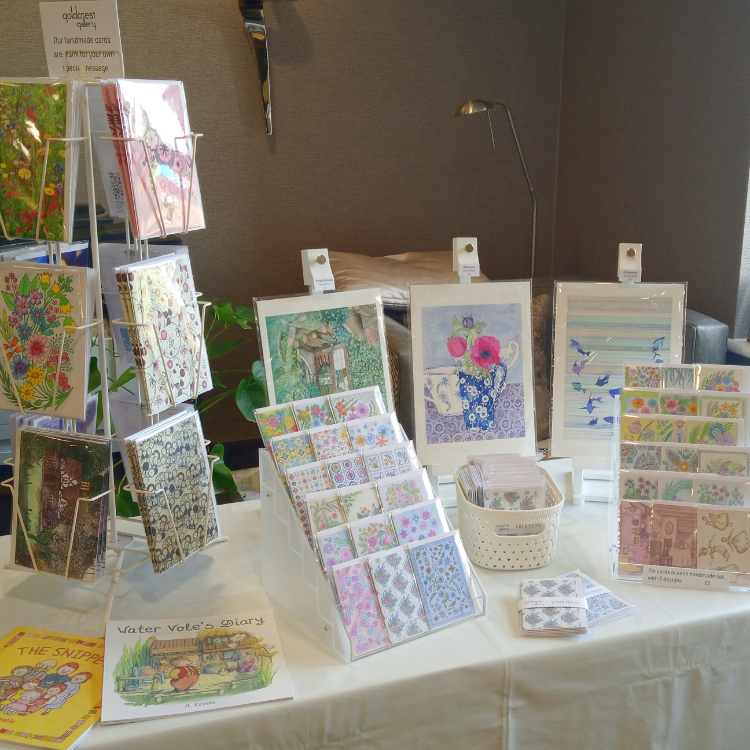

There are many different kinds of craft fairs, from small individual stalls at a village fete to professional displays in town halls or shopping malls. The first thing you need to do when preparing for a craft fair is to assess your products and decide what sort of craft fair is best for you. For example, if you make and sell jewellery, the sale of only one or two items will probably cover the high fee for a table space at a regular Town Hall craft fair. However, if you crochet little dolls, for instance, that sell for a lower price, you will need to sell several just to cover a high table fee. Local craft fairs in village halls, schools, and community centres will probably charge lower fees for a table. Our first craft stall was at a summer fete in a local care home, and the fees were very reasonable!
Insurance Cover
Most craft fairs will require you to have insurance cover. If you are only planning to go to one fair in a year, a one-off policy cover will suffice. But if you hope to show at several craft fairs, an annual policy will be more cost effective. Many well-organised craft fairs will ask you to complete a risk assessment for your stall. Safety aspects, such as fragile products or tall display units, should be considered. Your display should be as secure and stable as possible.
Booking a Table
Organisers of many craft fairs keep an overall view of the type of stalls they want to allow. They will limit the number of card stalls, perhaps. Or they may want only one art display, or not too many scented candle sellers. This is so that their craft fair is varied and interesting, and will attract many different customers. You will have a better chance of reserving a table at a craft fair if you apply as early as possible. Similarly, if your products are good quality, distinctive and unusual, you will be more likely to be given a space.
Preparing for a Craft Fair – Display
Once the table is booked, the insurance cover has been arranged, and any risk assessment completed, the next step in preparing for a craft fair is to design your table display. The table may need a covering over it, such as a cloth or fabric which complements your stock items. This will make your display look more inviting. You can invest in display items such as shelving, baskets or easels, to help your table arrangement look attractive. This can also vary the height at which you display your products. Taller shelves perhaps, or boxes covered with cloth, can go at the back of the table. Smaller items will look best in the front. We invested in spinners to display our greeting cards, and easels to show our fine art prints. Baskets are very useful for displaying small products, and customers enjoy looking for a bargain in a basket full of attractive things!